
Test & Measurement Blog · 14 Sep 2026
Calibration Equipment Care and Storage: Extending Instrument Life
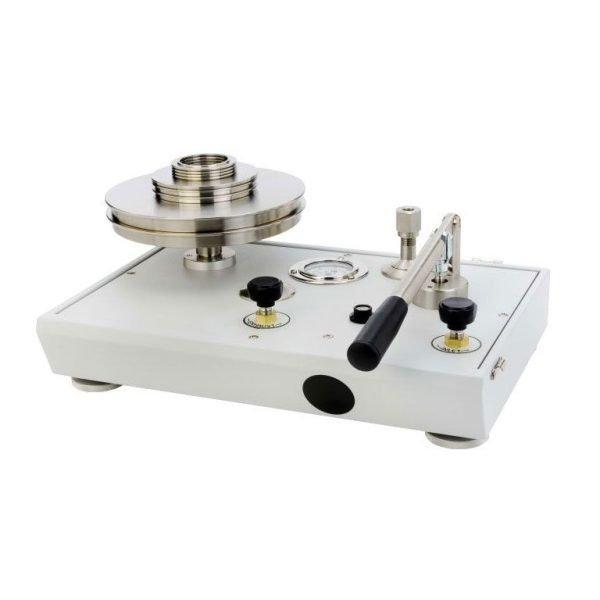
Calibration equipment is a precision investment. The way instruments are handled, stored, and maintained determines both how long they last and whether their measurements remain trustworthy between calibrations. Calibration equipment maintenance is not an afterthought; it is the discipline that protects accuracy, extends service life, and keeps your uncertainty budget honest. This guide covers the fundamentals of care and storage for calibrators, reference standards, and test equipment.
Why calibration equipment maintenance matters
Every calibrator and reference standard is a precision instrument with sensors, electronics, and connectors that can be damaged by mishandling, contamination, and harsh environments. Neglect shows up in two ways: equipment fails or drifts sooner than it should, and measurements quietly become less trustworthy until the next calibration discovers the problem. A small investment in routine care avoids expensive repairs, unplanned downtime, and the risk of certifying instruments with an unreliable standard.
Good maintenance habits also protect your traceability. A reference standard that has been dropped, stored in a damp cabinet, or left in a hot vehicle is a standard you can no longer fully trust, no matter what its certificate says.
Build a maintenance schedule
The most reliable way to protect calibration equipment is to make care routine rather than reactive. A practical schedule combines daily, weekly, and periodic tasks: inspect instruments before and after each use; wipe them down and return them to storage at the end of every shift; check batteries and test media weekly; and carry out deeper inspections, cleaning, and recalibration on a monthly or quarterly cycle matched to your quality system. Assign responsibility for the schedule, keep a checklist where the team can see it, and review it whenever an instrument fails or drifts unexpectedly.
Inspect before and after use
A two-minute inspection catches most problems before they become failures. Before use, check the case for damage, confirm the display and controls work, verify the battery level, and inspect connectors, fittings, and test leads for wear. After use, check for contamination or moisture, wipe the instrument down, and note anything unusual in the log. An instrument that was dropped or exposed to liquid should be flagged and verified before it is used as a reference again.
Recalibrate on a defined schedule
Periodic recalibration against a higher-level standard is the core of any maintenance program. Calibration intervals are set from the manufacturer’s recommendation, your usage intensity, the working environment, and the instrument’s drift history. Keep certificates on file, track drift between calibrations, and adjust intervals if the data supports it: longer for stable instruments, shorter for heavily used or abused ones.
An instrument whose certificate has expired should be taken out of service as a reference until it is recalibrated. This simple rule protects the quality of everything else you calibrate. For many instruments, the manufacturer’s recommended interval is a starting point, not a rule: if your calibrator consistently comes back well within its specification, you may be able to extend the interval with confidence; if it drifts or fails, shorten it and investigate why before the next cycle.
Protect from vibration, humidity, and extreme temperatures
Precision sensors and mechanisms dislike shock, vibration, moisture, and heat. Avoid leaving instruments in hot vehicles, near radiators, or in direct sunlight, and avoid cold storage rooms where condensation forms when the instrument is brought out. Store calibrators in a dry, climate-controlled room, ideally in their original cases, and consider desiccant packs in humid climates.
Vibration matters more than many users realize. Transporting instruments loose in a toolbox, or storing them on top of vibrating machinery, can damage sensors and shift calibration. Padded cases and dedicated storage shelves are cheap insurance against expensive problems.
Handle with care
Gentle handling extends the life of every instrument. Avoid dropping or knocking calibrators, connect and disconnect pressure fittings and test leads carefully, and never force connectors. Protect displays, touchscreens, and connector ports from scratches and dust. When instruments travel, use the supplied cases and secure them so they do not slide or bounce.
Weight sets for deadweight testers deserve special attention: the certified masses are part of the measurement itself. Handle them cleanly, avoid touching them with oily hands, and store them so they cannot be scratched or chipped, because any change to the mass changes the pressure it produces.
Store clean and dry
Clean storage is a habit, not a task. Wipe down instruments after use, keep dust off displays and connectors, and store everything in clean, dry locations. Do not store instruments next to chemicals, solvents, or fluids that could leak or corrode them. For pressure equipment, keep test media clean and keep hoses capped when not in use so contamination cannot enter the instrument.
Manage batteries and power
Rechargeable batteries are among the most common failure points in portable calibrators. Follow the manufacturer’s charging guidance, avoid deep discharges, and do not leave instruments stored for long periods with batteries fully discharged or at extreme temperatures. For instruments that sit unused, charge to a moderate level before storage, or remove the batteries if the manual permits it. Replace batteries when runtime drops noticeably, before they fail in the field.
Keep pressure standards clean and contamination-free
Pressure calibration equipment has its own maintenance rules. Keep the operating fluid in a deadweight tester clean and at the correct level, protect the piston-cylinder assembly from dust and damage, and have the instrument and its weight set recertified on schedule. For digital pressure calibrators, avoid overpressure beyond the rated range, keep the sensor port clean and dry, and drain and clean any liquid that enters the system.
Keep records
Documentation completes the maintenance loop. Log usage, transport events, repairs, and recalibrations for each instrument. A useful equipment log records the instrument’s serial number, calibration due date, recalibration results, usage hours, transport and repair events, and the initials of the person responsible. Digital tools make this easier, but a disciplined paper log is better than no log at all.
Good records support traceability, help you spot developing problems early, and give auditors the evidence they need. They also make it easier to decide, with data in hand, whether an instrument can stay in service or should be retired.
Train the people who use the equipment
Most damage to calibration equipment comes from handling, not age. Technicians who understand how the instruments work, how to connect them, and how to store them are far less likely to damage them. Short training sessions on handling, transport, and storage, plus clear storage rules, reduce repairs and extend intervals. Make sure temporary staff and contractors follow the same rules as the regular team.
When to repair and when to replace
Even the best care cannot make equipment last forever. When an instrument fails, compare the cost of repair and recalibration against its remaining value and the cost of a replacement. If the repair approaches a large share of the replacement price, or if the instrument has a history of recurring problems, replacing it is usually the better business decision. Retire equipment from reference duty as soon as it fails, and do not put it back into service until it has been fully verified.
Browse calibration instruments and accessories
Indomultimeter.net carries calibration instruments, accessories, and consumables to support your maintenance program. Explore the calibration instruments category for calibrators, reference standards, and supporting equipment.
Request a quotation
Ready to replace aging equipment or build out your calibration capability? Tell us what you calibrate and what you need, and we will help you select instruments that fit your accuracy requirements and budget. Request a quotation and our team will respond with options and availability.