
Test & Measurement Blog · 02 Oct 2026
Gas Detection for Process Plants: Portable vs Fixed Systems
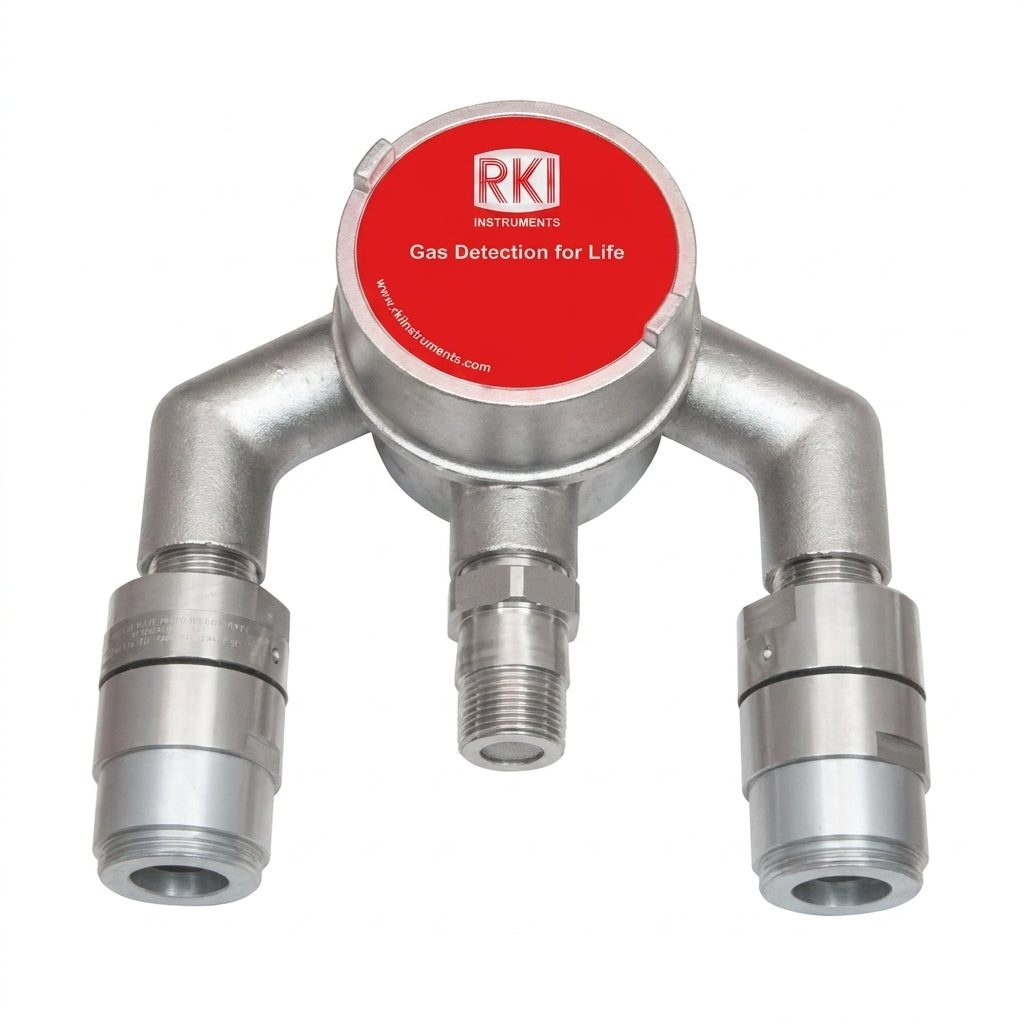
Process plants produce, handle, and store materials that can be flammable, toxic, or oxygen-depleting — often all three on the same site. The gas detector process plant operators choose determines whether those hazards are seen in time. Portable and fixed gas detection systems each have a role, and choosing between them — or combining them — is a safety decision that deserves careful thought. This guide explains how portable and fixed systems work, where each belongs, and how calibration keeps them trustworthy. If you are reading this before buying equipment or before writing a procedure, the goal is the same: put the right detection in the right place, and make sure it can be trusted on the day it matters.
The Hazards Gas Detection Covers
- Flammable gases and vapors — hydrocarbons such as methane, propane, and heavier process gases, measured as percent LEL (lower explosive limit).
- Toxic gases — hydrogen sulfide (H2S), carbon monoxide, chlorine, ammonia, and others, measured in ppm.
- Oxygen deficiency or enrichment — measured as percent volume, critical in confined spaces and inerted vessels.
Each hazard class needs a different sensing principle, and most detectors are built around one or a combination: catalytic bead sensors for flammable gases, electrochemical sensors for toxic gases, infrared sensors for hydrocarbons, and electrochemical or paramagnetic cells for oxygen.
Portable Gas Detectors: Personal Protection on the Move
Portable gas detectors are worn by workers or carried into a location, giving the person carrying them a real-time reading of the atmosphere around them.
- Single-gas monitors — small, dedicated to one hazard, often worn as personal alarms (for example, an H2S monitor on a belt).
- Multi-gas detectors — the familiar four-gas style that typically measures oxygen, LEL, and two toxic gases, standard for confined space entry and general plant work.
- Area monitors — portable units placed to guard a temporary work zone, such as a hot work area or a maintenance job near a leaking flange.
Portable detectors are essential for confined space entry: the atmosphere is tested before entry, and the entrant carries a monitor during the work. They also cover short-duration jobs, contractor crews, and locations where a fixed system would be overkill.
Fixed Gas Detection Systems: Continuous, Plant-Wide Coverage
Fixed systems mount sensors at known risk points and connect them to controllers that display readings and trigger alarms. They are the plant’s permanent eyes on the atmosphere.
- Point detectors — sensors at specific locations where gas is likely to accumulate: pump seals, compressor areas, valve manifolds, storage areas, and battery limits.
- Open-path detectors — infrared beams that monitor a line-of-sight path across large areas such as loading racks or perimeter fences, detecting a gas cloud anywhere along the beam.
- Controllers and integration — fixed detectors typically feed into a controller or safety system that provides local alarms, relay outputs, and integration with the plant DCS, so a release raises an alarm in the control room, not just at the sensor.
Fixed systems shine where gas release is a realistic, ongoing risk and where a worker may not be present to notice a problem — remote stations, unoccupied areas, and locations where a release could escalate before anyone is close.
Where Gas Accumulates: Siting Detection
Sensor placement determines whether a fixed system earns its cost. Light gases such as methane tend to rise and collect under roofs, decking, and enclosures; heavier gases such as H2S, propane vapor, and most VOC vapors pool at low points, trenches, and pits. That is why fixed detector siting considers gas density, airflow, and sources: leak-prone fittings, pump seals, sampling points, and tank vents are the classic locations. For open-path detectors, the beam is arranged to cross the most likely cloud path, such as a loading lane or a fence line.
Portable detectors sidestep siting entirely — the sensor goes where the person goes — which is exactly why they remain the backbone of worker protection in plants with complex layouts. And remember: ventilated areas can dilute a release below alarm thresholds while a stagnant pocket elsewhere stays dangerous, which is why multiple detection methods are better than one.
Portable vs Fixed: How to Choose
The two are complementary, not competitors. As a rule:
- Choose fixed detection for permanent hazard zones and continuous monitoring needs — anywhere a release must raise an immediate, reliable alarm even when nobody is nearby.
- Choose portable detection for people: personal protection, confined space entry, maintenance and hot work, contractor coverage, and any area without fixed monitoring.
- Use both in most plants. A fixed system protects the facility; a portable detector protects the individual moving through it. The best gas detection strategy in a process plant is almost always a combination, with portable monitors providing backup and personal protection at every fixed-system boundary.
Standards and Regulatory Drivers
Gas detection practice is shaped by standards that most operators follow regardless of location:
- IEC 60079-29-1 — performance requirements for detectors of flammable gases.
- IEC 60079-29-2 — selection, installation, use, and maintenance of flammable gas detection equipment.
- OSHA 1910.146 (United States) — confined space entry, which requires atmospheric testing before and during entry.
Confined space programs in particular depend on calibrated gas detectors: the pre-entry test and the continuous in-space monitoring are built on measurements you have to be able to trust.
Calibration and Bump Testing: Keeping Detectors Honest
A gas detector is only as good as its last calibration. Two practices keep them reliable:
- Bump testing — exposing the detector briefly to a known concentration of test gas before each day’s use to confirm the sensors respond and the alarms trigger. If a bump test fails, the detector is calibrated before use.
- Full calibration — applying certified calibration gas and adjusting the sensor response, performed at the manufacturer-recommended interval or whenever a bump test shows drift. Many operators calibrate portable units monthly, but the right interval depends on sensor type, environment, and manufacturer guidance.
Sensor aging is the reason for the discipline. Electrochemical cells age and lose sensitivity, catalytic beads can be poisoned by silicone vapors or high gas concentrations, and infrared sources degrade over time. A detector that passed last month can fail this week. That is why bump testing is a before-use check rather than a monthly formality, and why a failed bump test should take the detector out of service until it is calibrated.
Fixed systems need the same discipline: regular functional testing with test gas, scheduled calibration, and documented records, since their alarms protect people who assume they work. Calibration accessories, including certified test gas and regulators, belong in the maintenance budget of every detection program.
Gas Detection Equipment for Process Plants
Whatever mix of portable and fixed detection your plant needs, the equipment has to match the hazard list and the environment. Browse gas detectors for portable multi-gas and single-gas monitors suitable for process plant and confined space work, and talk to us about the sensing technologies that match your gas list.
Build Your Gas Detection Strategy
If you are defining a gas detection program — or upgrading one — start with a hazard inventory: which gases, where they can accumulate, who works near them, and what an alarm should do. Request a quotation with your gas list and application details, and we will help you match portable monitors, fixed detectors, and calibration accessories to the job.